The Neuroscience of Clicker Games: Dopamine Feedback Loops and Behavioral Conditioning
An in-depth exploration of the brain processes that make clicker games so compelling
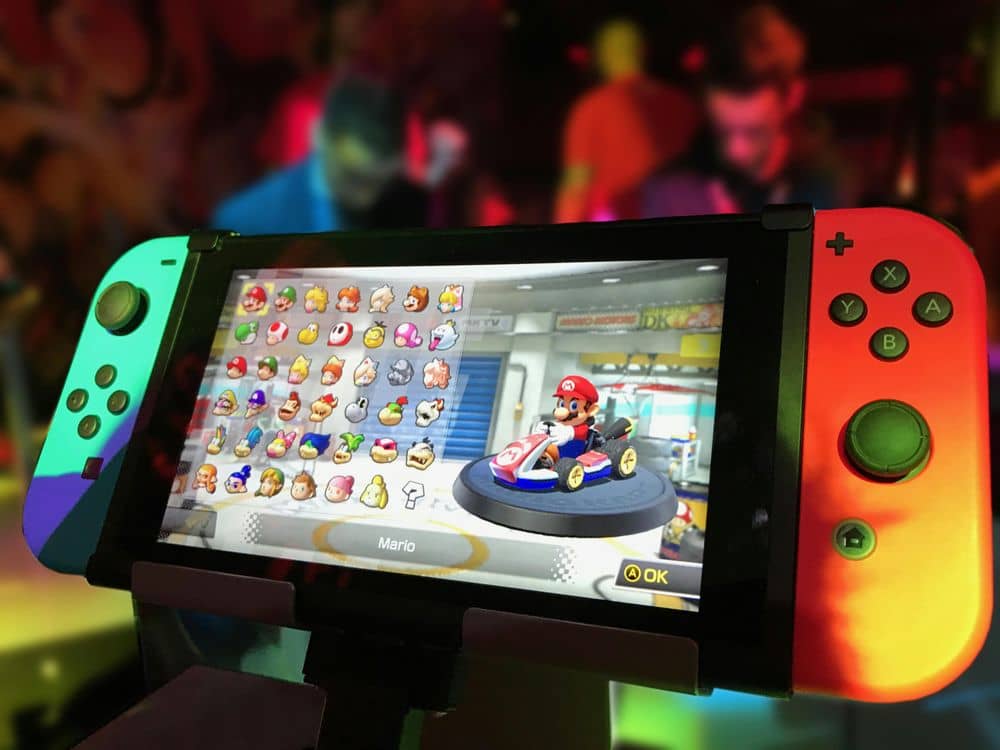
Quick Summary: Clicker games rely on neuroscience and behavioral psychology—using variable rewards, dopamine-driven feedback loops, and steady progression—to engage and retain players.
Why Simple Mechanics Are So Addictive
Clicker games boil down to clicking for virtual currency, then spending it on upgrades that boost or automate clicks. Games like Cookie Clicker, Adventure Capitalist, and Clicker Heroes prove how this straightforward loop can engross players for hours.
Their power lies in a digital version of Skinner boxes: combining instant rewards, leveling up, and occasional surprises to tap directly into our brain’s learning and reward circuits.
Dopamine’s Key Role
To grasp why clicker games are so compelling, we must look at the brain’s reward system, driven by dopamine. This neurotransmitter fuels motivation, reinforces behaviors, and produces pleasure. When you expect or receive a reward, dopamine surges, strengthening the actions that led to it.
Neuroimaging shows that the anticipation of a reward often triggers a higher dopamine response than the reward itself. Clicker games exploit this by giving consistent, predictable rewards that teach the brain to link clicking with positive outcomes.

When rewards are unpredictable, dopamine spikes even more—a phenomenon known as the “dopamine surprise.” This uncertainty keeps players hooked, always hoping for a big bonus or upgrade.
Each click holds the promise of a reward, creating a “compulsion loop.” Over time, these intermittent rewards solidify the habit, making it difficult to stop clicking.
Sustaining Interest with Variable Reinforcement
B.F. Skinner’s concept of variable reinforcement is central to clicker games. Randomly timed rewards produce the highest engagement levels.
Developers achieve this through:
- Random Bonus Events: Surprise bursts of currency or limited-time boosts.
- Variable Discounts: Unexpected price cuts or brief availability of powerful upgrades.
- Mystery Boxes: Loot crates or lotteries with unknown contents.
This unpredictability maintains curiosity far better than fixed reward schedules. The “maybe next time” effect keeps players clicking in search of something special.
Similar principles underlie the appeal of slot machines and the urge to check smartphone notifications.
Visible Progress as Motivation
Humans thrive on seeing progress. Clicker games satisfy this need with progress bars, level counters, and resource tallies that highlight each accomplishment.
Harvard’s Teresa Amabile identified the “progress principle,” noting that visible progress boosts motivation and well-being. Clicker games deliver constant micro-achievements, each activating the brain’s reward centers.
These small wins generate a positive feedback loop: every upgrade makes future gains faster, increasing resources and satisfaction.
Operant Conditioning in Action
Clicker games are a clear example of operant conditioning: actions (clicks) produce rewards, reinforcing those actions.
Immediate Reinforcement
Each click yields an instant reward, cementing the click–reward link.
Layered Reinforcement
Upgrades and automation add depth, making each new stage more gratifying.
These combined rewards generate strong “behavioral momentum.” As players invest time and effort, quitting becomes harder, amplified by loss aversion and the need to justify past choices.
Prestige Systems: Resetting with Purpose
Many clicker games include “prestige” or “ascension” features, letting players restart with permanent perks that speed up future progress. This turns resets into strategic choices rather than setbacks.
Psychological advantages include:
- Reframed Sunk Costs: Restarts feel like fresh opportunities, reducing resistance to begin again.
- Goal Gradient Effect: Motivation spikes as players edge closer to the optimal reset point.
- Novelty and Variety: Each run offers new challenges and decisions, keeping gameplay fresh.
Prestige mechanics introduce compelling risk–reward dynamics and can extend gameplay indefinitely.
Social Elements: Competition and Community
Although often solo experiences, clicker games frequently add social components—leaderboards, achievement sharing, and strategy forums—that harness social comparison. Players benchmark themselves against peers, fueling engagement.

Active forums and Discord communities offer social reinforcement through tips, celebrations, and shared frustrations—turning solitary play into a collective pursuit.
Ethics and Balanced Play
Designers who incorporate behavioral psychology into clicker games have a responsibility to consider player well-being. While many enjoy these games in moderation, the mechanics can encourage excessive play in some individuals.
At the same time, clicker games can provide benefits: stress relief, quick accomplishments, and basic lessons in investment and compound growth.
Tips for Healthy Play
- Set a daily playtime limit
- Use gaming as a reward after completing tasks
- Reflect on your motivation for playing
- Take regular breaks
- Remember there’s no final “win”—these games are endless by design
Lessons for Other Fields
Beyond entertainment, clicker games reveal core principles of motivation and reward. The same tactics can be applied to fitness trackers, educational tools, and productivity apps.
By analyzing these games, designers can craft more engaging experiences across various domains, focusing on fundamental psychological drivers instead of intricate mechanics.
Their success underscores how simple, behaviorally grounded designs can achieve deep, lasting engagement.
Conclusion: The Enduring Impact of Clicker Game Design
Clicker games shine through their expert use of behavioral psychology: dopamine loops, variable rewards, and incremental progression combine to produce highly addictive experiences.
As our understanding of motivation evolves, we refine game design and gain deeper insights into human behavior. In their elegant simplicity, clicker games teach us valuable lessons about what truly drives us.
Whether you spend a few minutes or many hours playing, recognizing these psychological foundations can help you appreciate the design and maintain a healthy balance with these engrossing games.
These insights remind us that even the most basic interactions can engage powerful psychological forces.