Clicker Games: A Complete Guide to Creating Your First Incremental Game
This detailed guide provides clear, step-by-step instructions for building your initial clicker game, including key mechanics, progression frameworks, and techniques to keep players engaged.

Introduction to Incremental Games
Clicker games, often called incremental or idle games, represent one of the most captivating genres in contemporary gaming. Originating from simple browser-based experiments like Cookie Clicker, this genre has evolved into a complex domain attracting millions of players globally. Typically, these games begin with minimal user input—usually just clicking a button—and gradually introduce automation, upgrades, and elaborate progression trees that retain player interest over extended periods.
The appeal of incremental games mainly lies in their psychological attraction: they deliver consistent, measurable advancement. Every click, upgrade, or purchase clearly enhances a player’s progress. This establishes a powerful feedback loop that resonates with natural human drives for accomplishment and growth. Grasping these psychological factors is just as vital as mastering technical details when developing your first clicker game.
The most successful incremental games strike a balance between simplicity and complexity. They start with straightforward mechanics and gradually reveal more intricate systems as the game advances. This pacing prevents players from feeling overwhelmed while sustaining their interest. Top titles reward players for discovering system interactions and refining their strategies.
Core Mechanics: The Foundation of Engagement
Clicker games fundamentally rely on a few basic mechanics that power the main gameplay loop. The primary action is simple and repetitive—pressing a button, tapping a screen, or hitting a key. This action generates the primary resource, whether that be cookies, coins, energy, or other unique currency.
Resource Generation Systems
An effective resource generation system should provide both instant gratification and long-term objectives. Consider integrating:
- Basic click power: Resources gained from each click
- Automated production: Units, upgrades, or structures that generate resources passively
- Multipliers: Bonuses that increase output from different resource sources
- Prestige systems: Mechanics that reset progress in exchange for permanent benefits

Designing resource generation formulas is key. Exponential growth is common in clicker games but requires careful calibration to avoid gameplay becoming tedious or too easy. Incorporating diminishing returns for certain upgrades helps prolong the engaging mid-game phase, where strategic choices matter more than simply idling.
Progression should feel satisfying without turning frustrating. Well-designed clicker games introduce new mechanics at appropriate points to revive player interest once earlier features become repetitive. This pacing often distinguishes exceptional incremental games.
Constructing Engaging Progression Systems
Progression systems are central to any effective clicker game. They establish goals that motivate players and provide rewards that enhance satisfaction. When designing progression, think about both vertical progression (increasing resource quantities) and horizontal progression (unlocking new gameplay features).
Unlock Trees
Design branching upgrade paths that encourage different playstyles. Some players may prioritize increasing click strength, while others focus on automated resource production.
Achievement Systems
Incorporate achievements that reward reaching milestones or experimenting with alternative strategies, adding goals beyond the primary progression path.
Balancing the cost curve for upgrades and purchases is critical. Prices that escalate too quickly risk frustrating players, while slow growth can reduce tension. A typical method is to increase costs by 10-15% after each acquisition, ensuring smooth and engaging progression.
Introducing prestige mechanics thoughtfully can greatly extend a game’s lifespan. These allow players to reset their progress in exchange for permanent bonuses that impact future runs meaningfully, instead of just inflating numbers.
Strategies for Sustaining Player Engagement
Maintaining player interest goes beyond simple numerical progression. Psychological triggers, visual cues, and strategic depth all contribute to creating a rewarding experience.
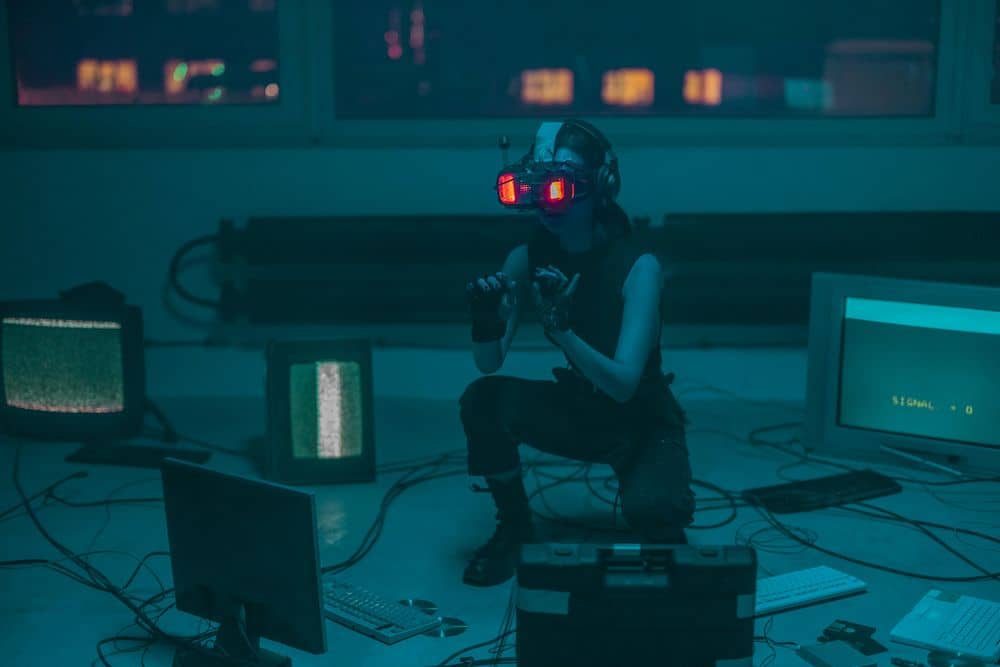
The Impact of Visual and Audio Feedback
Every player action should be rewarded with clear feedback. Consider enhancing clicks with:
- Subtle animations that confirm button responsiveness
- Particle effects that visualize resource gains
- Pleasant audio cues that acknowledge progress
- Screen shakes or haptic feedback for major achievements
Regularly updating content can help rekindle player interest. Plan for periodic expansions introducing new mechanics to present fresh challenges as existing systems become familiar.
Adding social elements—such as leaderboards or ways to share progress—can significantly enhance engagement. Players enjoy comparing accomplishments and strategies, introducing a competitive dimension that motivates continued play.
Balancing Economy and Upgrades
Finding the right balance is among the most difficult aspects of designing clicker games. A poorly balanced economy can undermine gameplay by making certain tactics too strong or ineffective.
Key Balancing Principles
- Meaningful decisions: Players’ upgrade choices should have noticeable consequences
- Diverse viable strategies: Multiple playstyles should remain competitive
- Gradual complexity: Introduce features progressively to avoid overwhelming new players
- Thoughtful pacing: Adjust game speed intentionally to create engaging flow
Extensive playtesting is essential to achieve balance. Observe a variety of player behaviors—from optimization-focused to casual—and ensure the game delivers a rewarding experience for all.
Include catch-up mechanics to support players who fall behind or return after breaks. These features reduce frustration and lower dropout risk.
Implementation Approaches
When creating your first clicker game, begin with a simple base and iterate progressively. Many successful titles started as minimal prototypes that expanded through player feedback and developer refinement.
Development Phases
Start with the essential clicking mechanic plus one type of upgrade. After ensuring this is engaging, introduce automated resource production, then add further upgrade paths, and finally implement prestige systems. This incremental method parallels gameplay progression and effectively manages feature creep.
Technical Considerations
Select suitable data types to handle the large numbers typical of late-game stages. Custom numeric systems may be required for games dealing with extremely high values.
Save Systems
Implement reliable save features early. Because players invest significant time in incremental games, losing progress can lead to abandonment.
Optimize performance carefully, especially for games expected to run over long sessions. Ensure your game minimizes resource consumption when running in the background or minimized.
Ethical Monetization Practices
If you intend to monetize your clicker game, it is crucial to adopt an ethical approach from the beginning. The most successful monetized incremental games provide value without exploiting player psychology.
Responsible Monetization Strategies
- Cosmetic-only items: Offer aesthetic enhancements that do not impact gameplay balance
- Time-saving purchases: Provide options that reduce wait times without creating pay-to-win situations
- Ad removal: Allow paying players to disable advertisements
- Support bundles: Offer packages with valuable bonuses for players wanting to support development
Avoid designing frustrating bottlenecks solely to encourage purchases. Players quickly identify such tactics and react negatively. Instead, focus on making your game enjoyable for free players, with purchases enhancing—but not defining—the experience.
Final Thoughts: Creating Your First Clicker Game
Designing a clicker game requires both creativity and precision. Mathematical balancing calls for extensive testing, while understanding player psychology is essential for ensuring enjoyment.
Begin with a simple concept, emphasize rewarding feedback loops, and steadily increase complexity. Observe how players interact with your features and be prepared to adjust based on their feedback.
The incremental genre is continually evolving, with new ideas emerging regularly. By mastering the fundamental principles outlined in this guide, you can develop an engaging game that stands out in a competitive yet fulfilling marketplace.
Keep in mind, the most successful clicker games aren’t necessarily the most complex. Instead, they deeply understand what makes progression satisfying and sustain that enjoyment across long play sessions.